

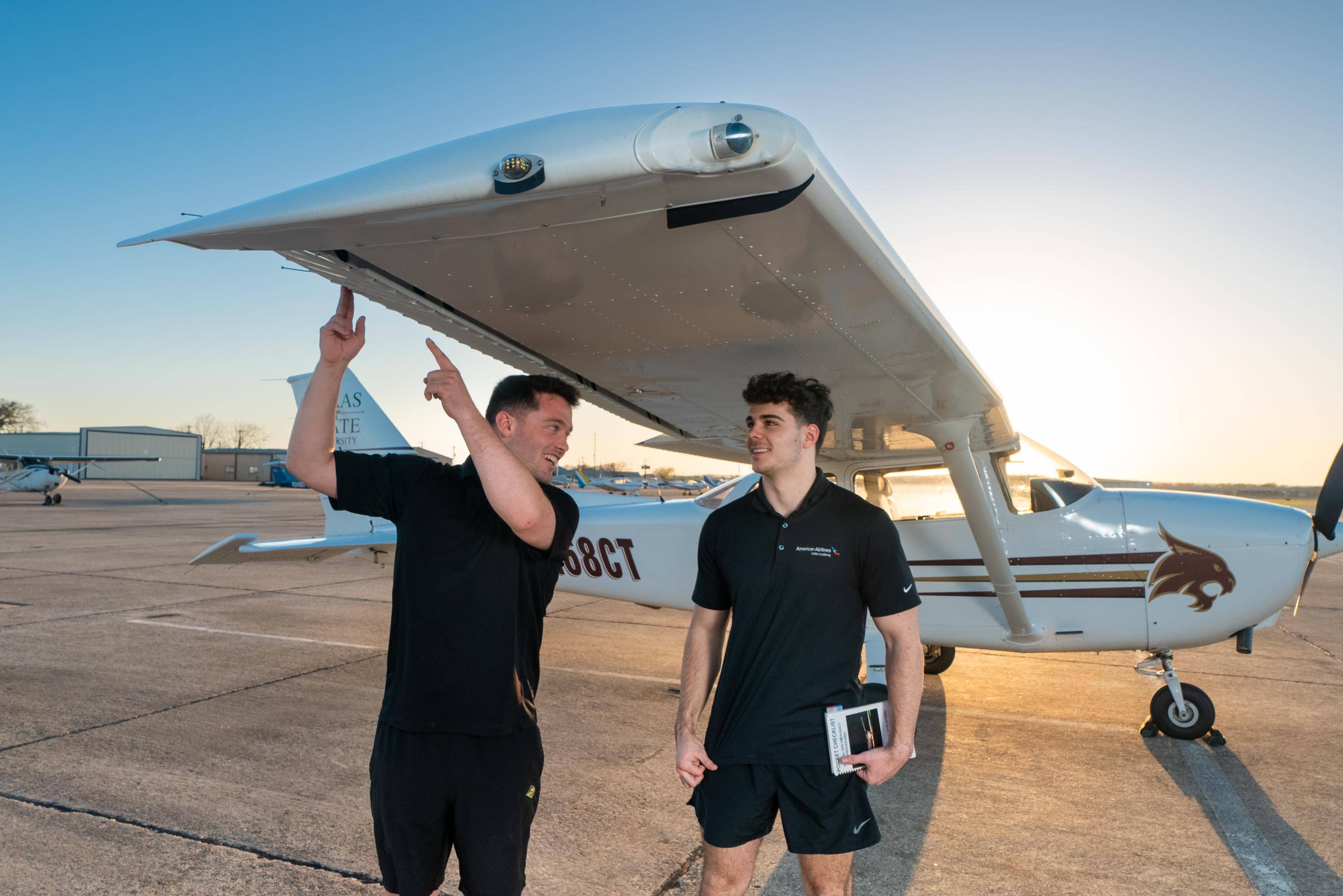
If you’re looking for a way to become a pilot while earning a college degree, the Bachelor of Applied Arts and Sciences (B.A.A.S.) and the major in Aviation Science at Texas State offers a unique pathway. This program is designed for students who want both the academic foundation of an aviation degree and the real-world experience of professional flight training.
Become a Pilot
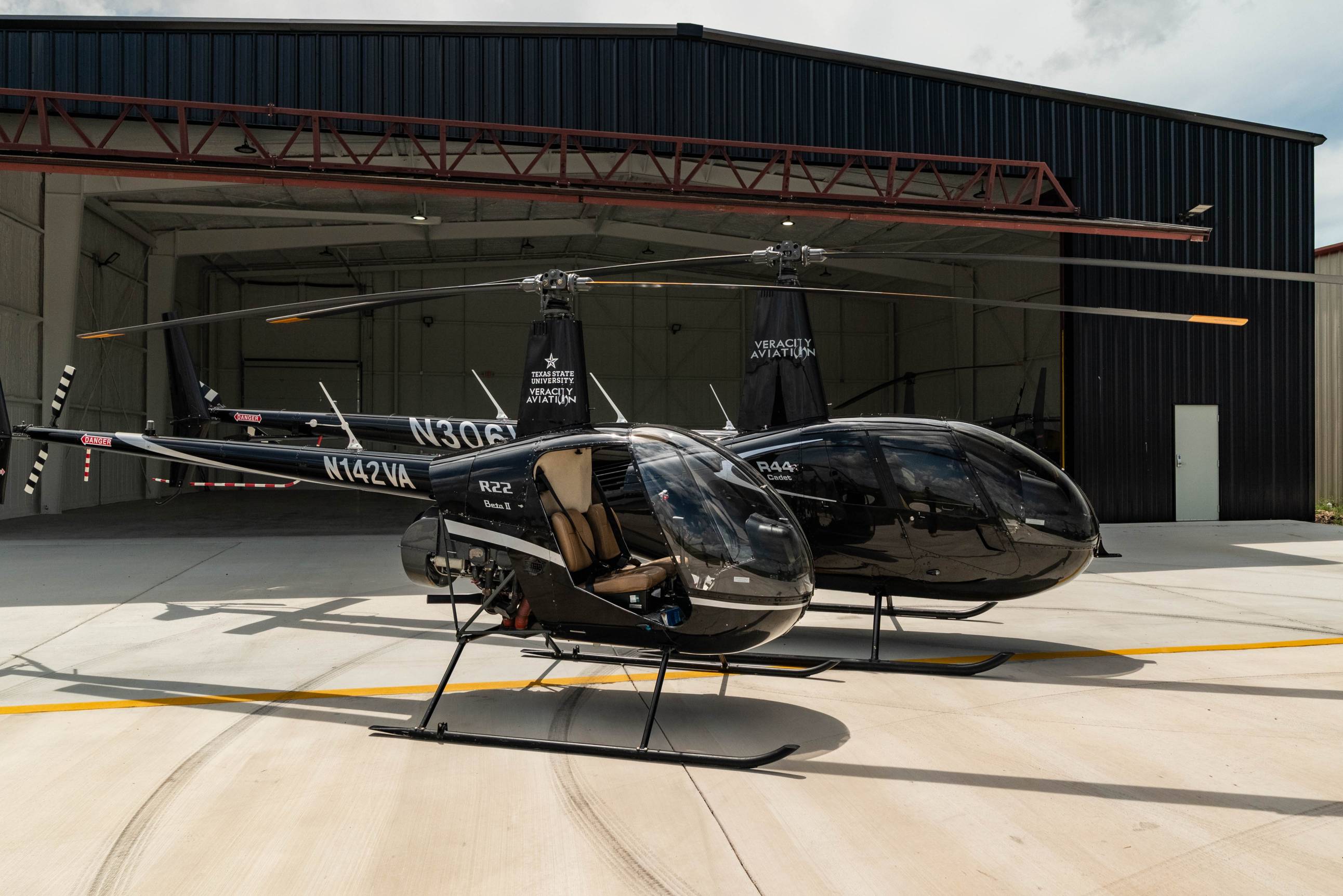
TXST Rotor-Wing
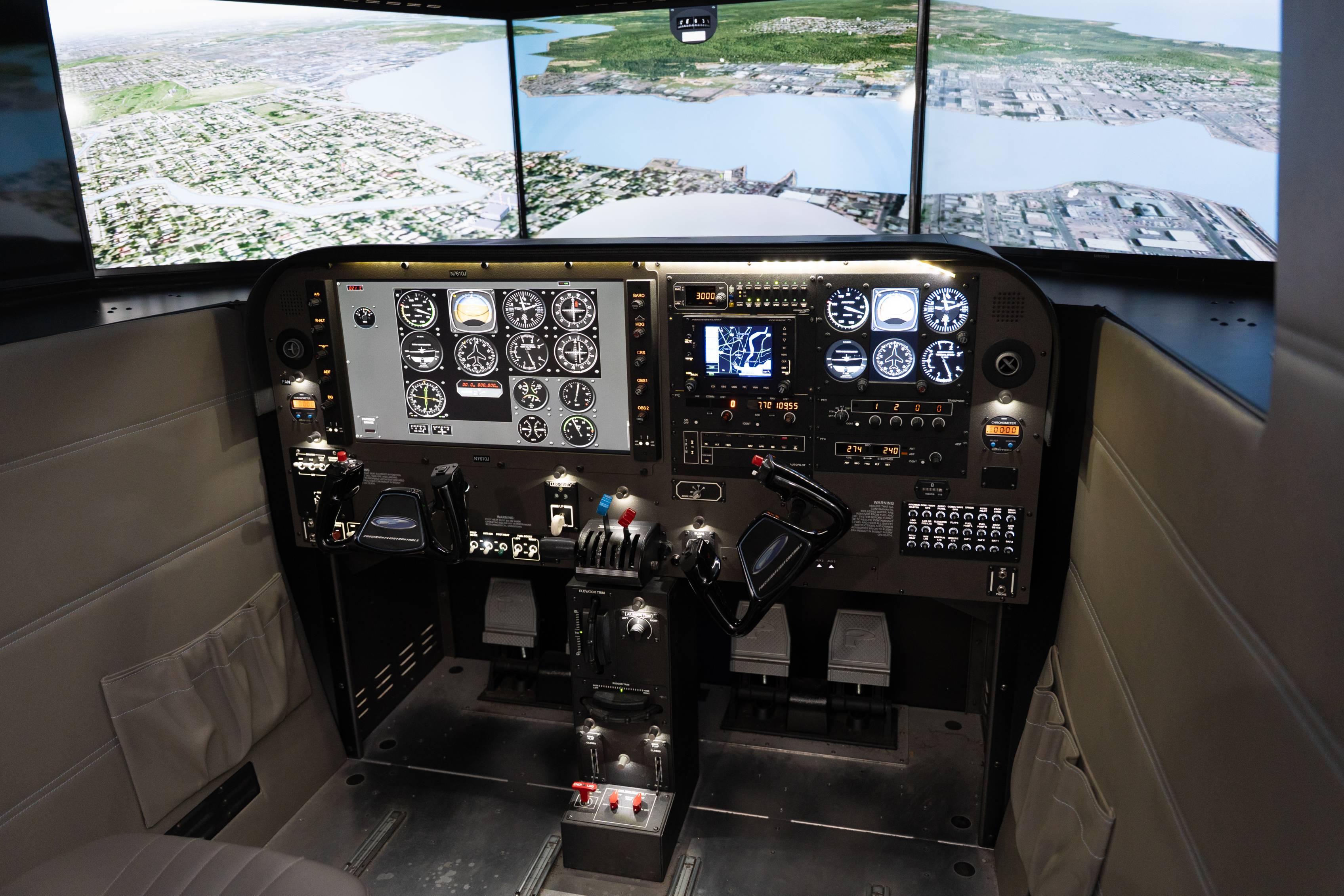
Train on industry-standard rotorcraft equipped with professional-grade avionics to prepare you for the demands of modern rotor-wing operations.
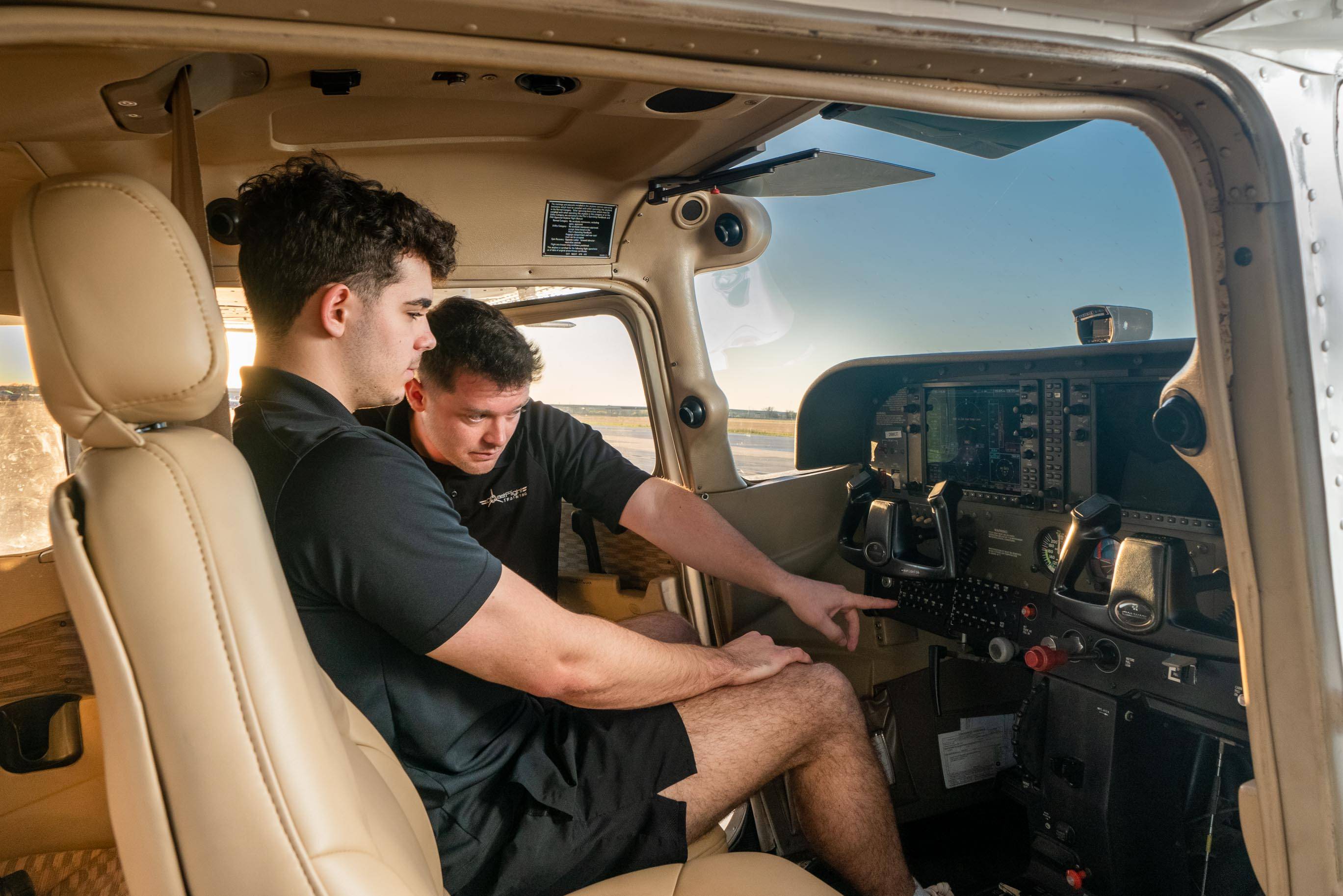

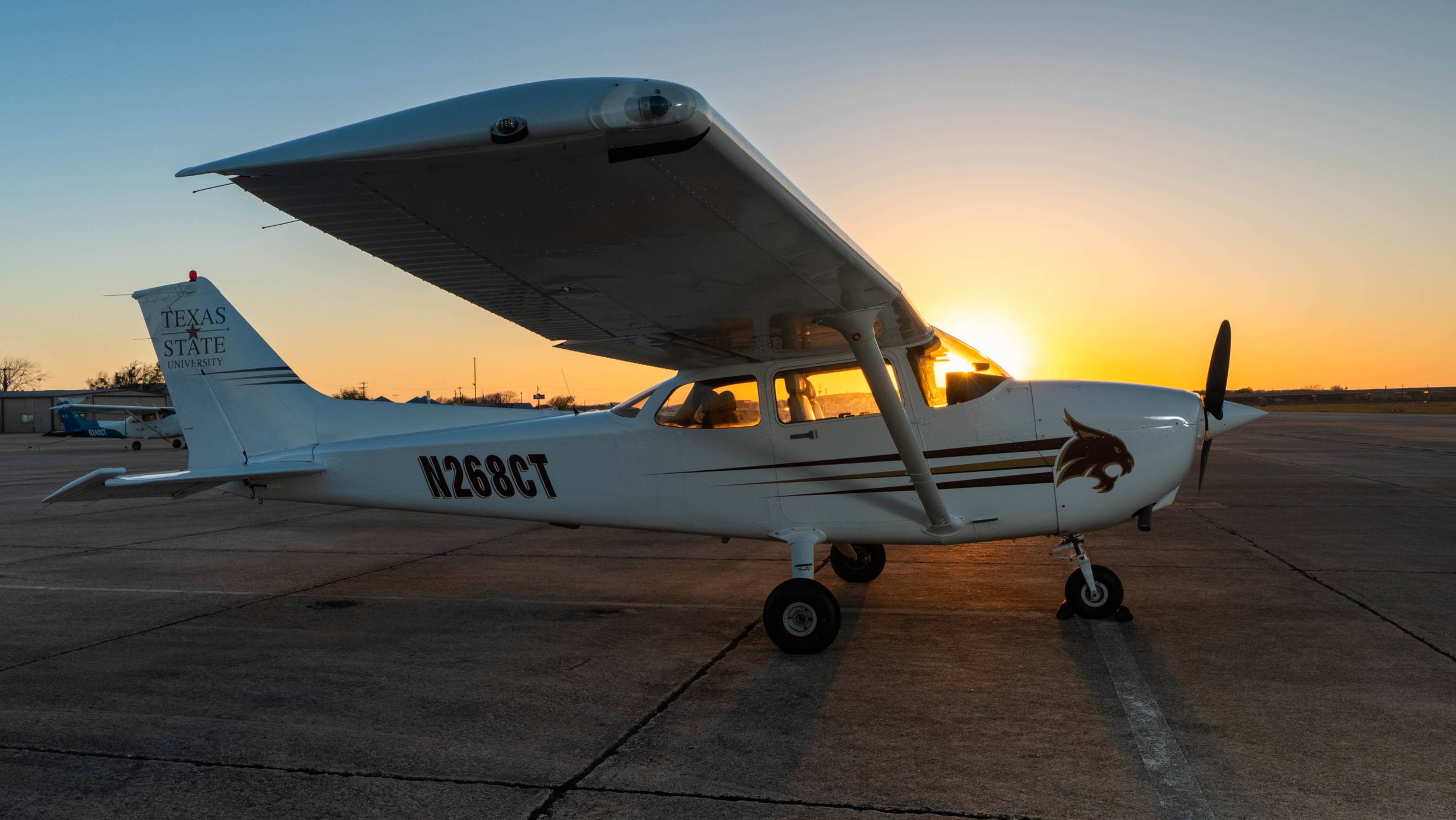
TXST Aviation is Built for Your Story
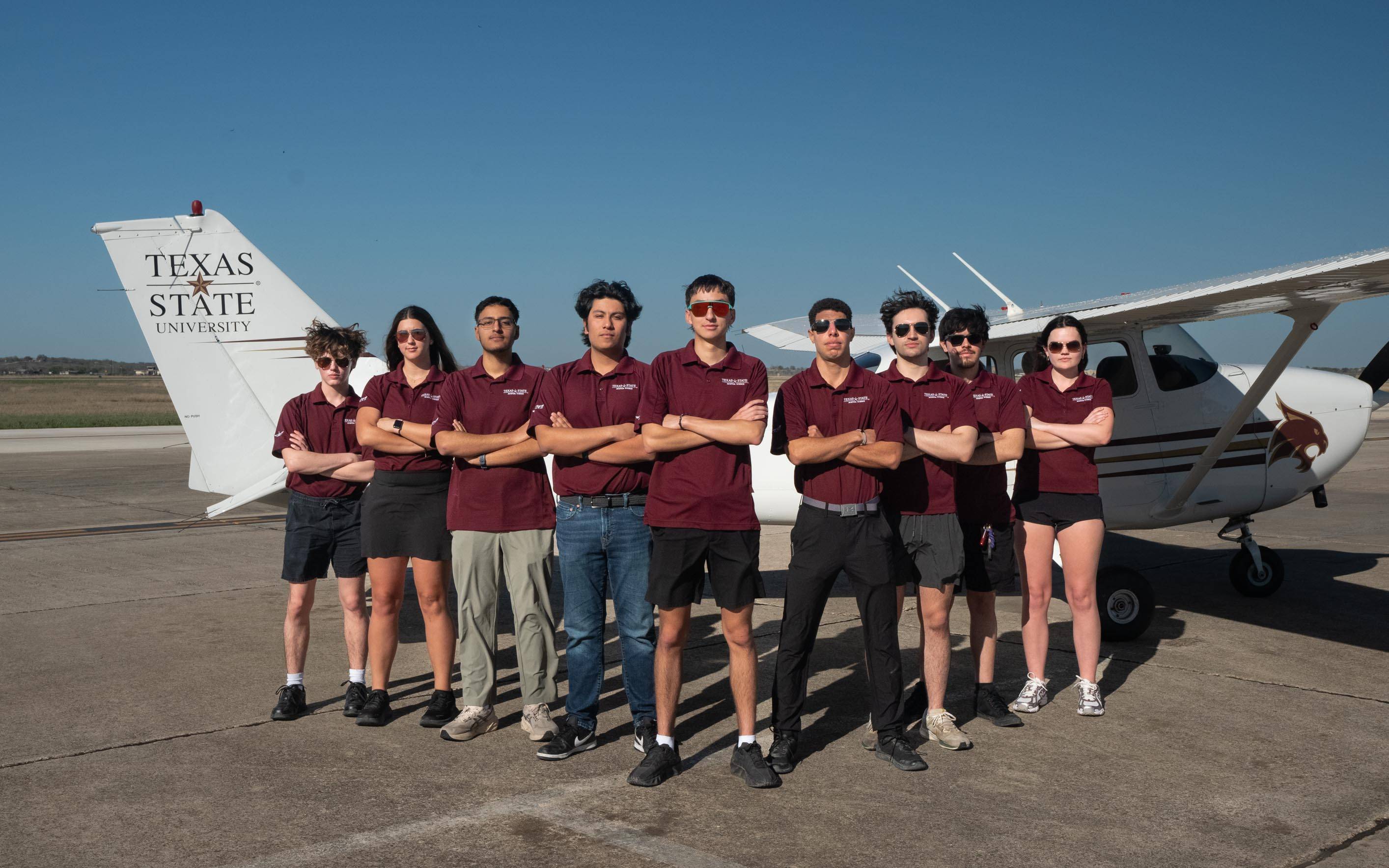
Every student arrives with a different background, a different reason, and a different destination.
Choose the aircraft that fits yours — rotor-wing or fixed-wing, both backed by the full weight of a Texas State degree.
Start Your Aviation Journey Here
Student Pilot Experience
Hear from students pursuing their aviation degree and pilot certifications.
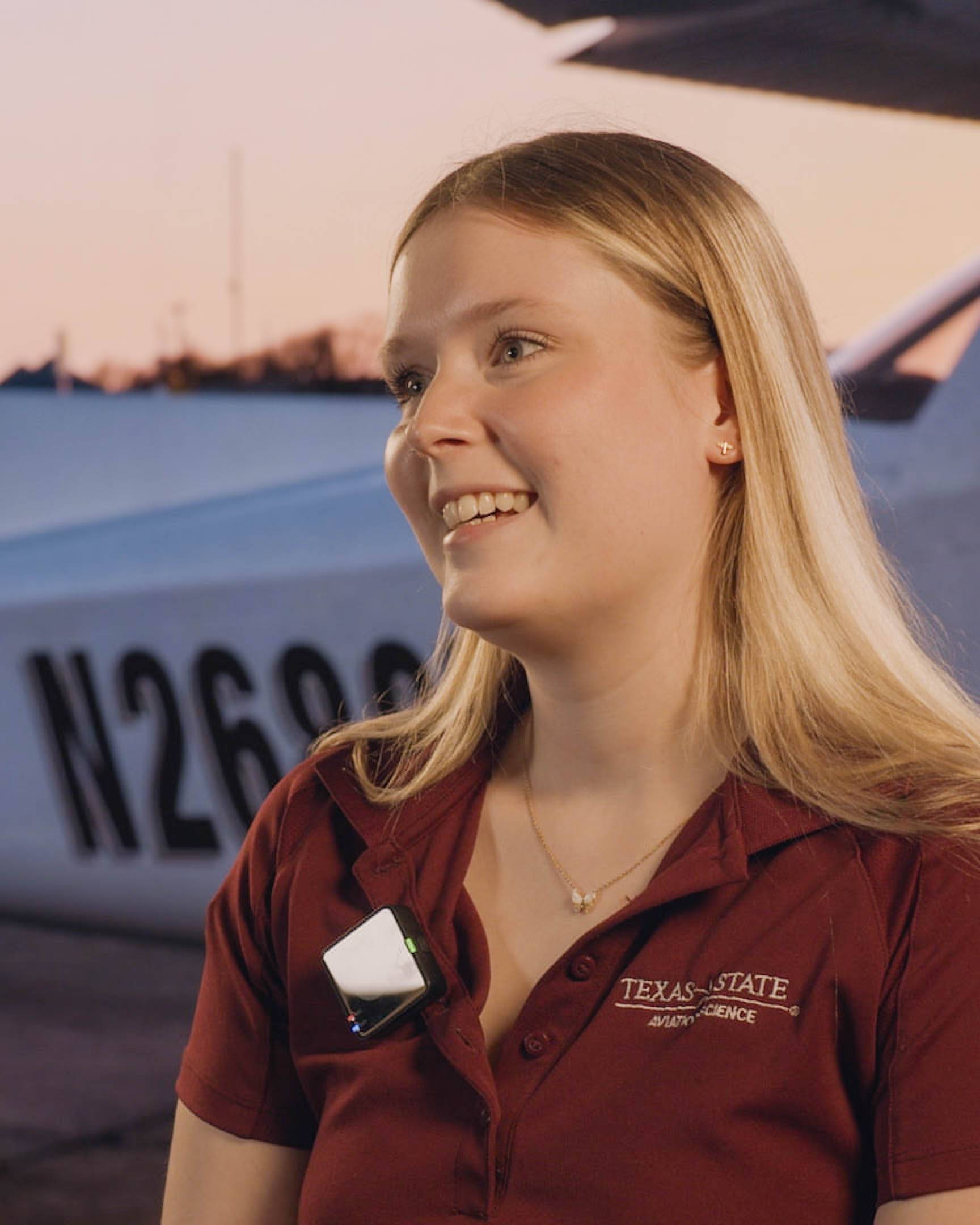
Molly Deupree
“I believe having a bachelor's degree will give me an upper hand when I'm going through interviews and getting picked to become a crew member.”
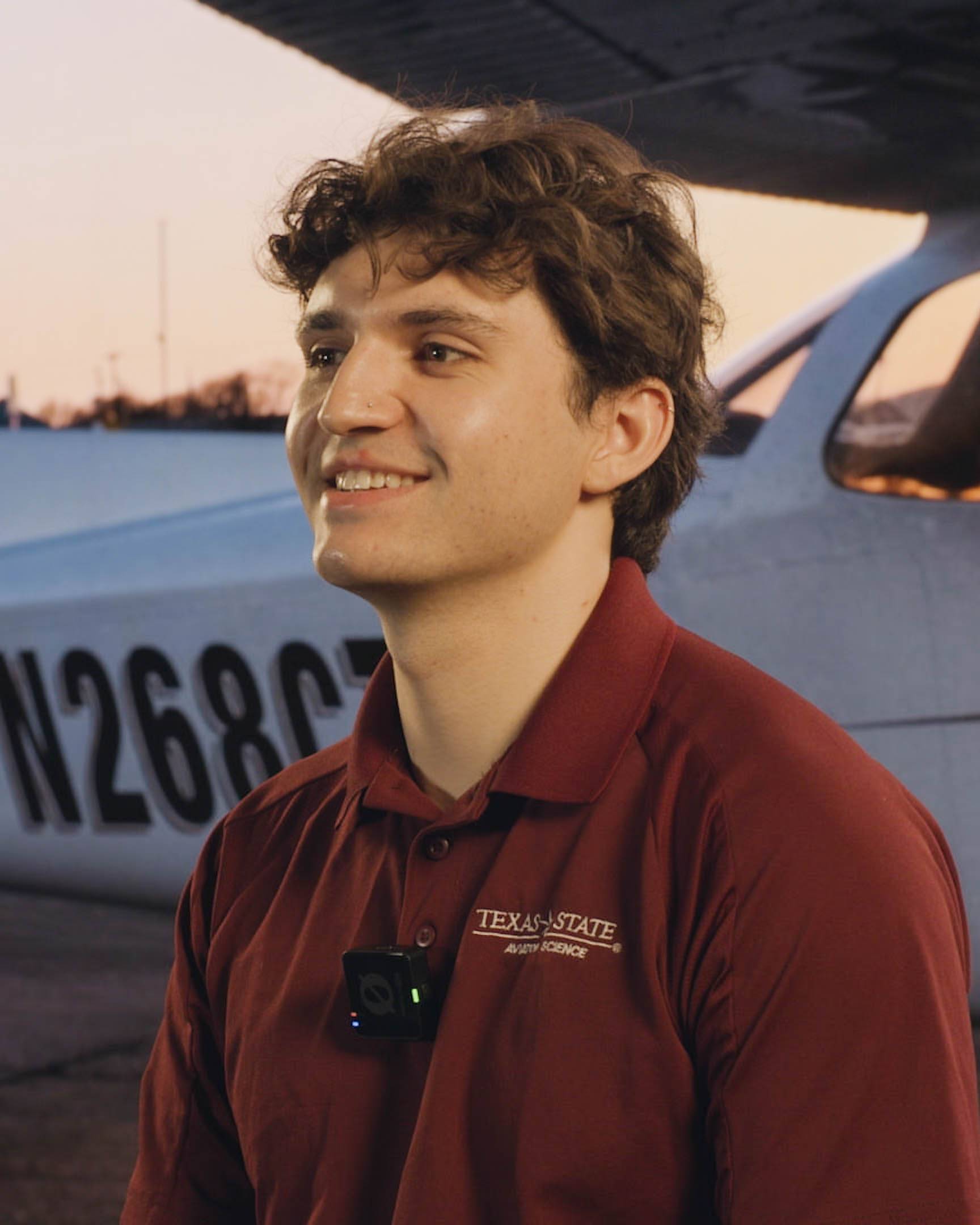
Ian Fitzpatrick
“Through flight training, I've learned I'm goal oriented. I want to pass my flight checks and pass my courses. TXST is providing me a path to aviation as well as an education."
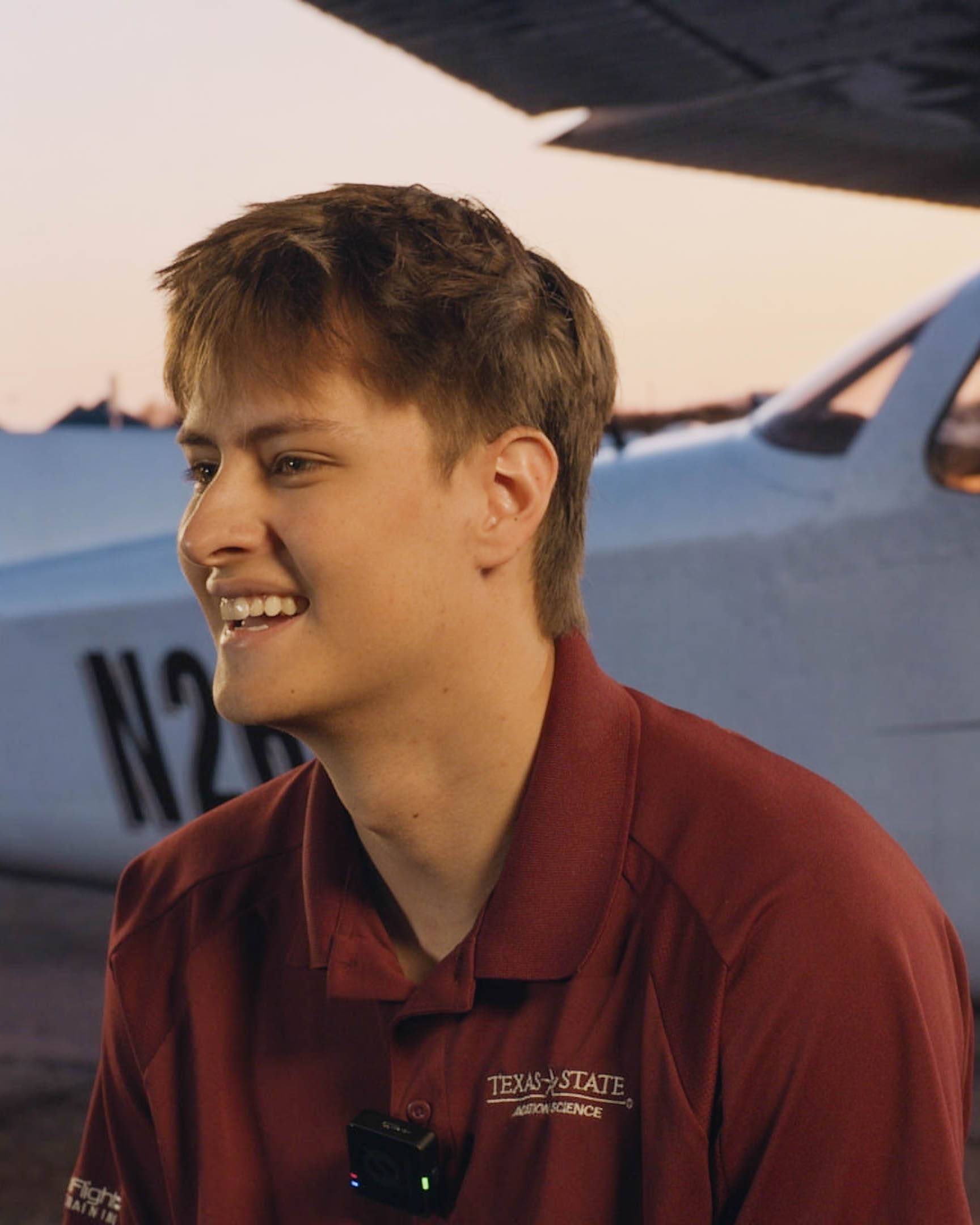
Brandon Bastow
"My whole freshman year of college I was just a business major, I had no idea what I wanted to do. I was watching YouTube videos of people flying planes…and then realized this is what I wanted to do."
Becoming a pilot requires both education and training.
Step 1: Apply and enroll in the aviation degree programStep 2: Complete courseworkStep 3: Train with FAA-certified partnerStep 4: Earn certifications alongside your degree
Aviation Degree + Flight Training
The Aviation Science program combines an accredited Texas State University degree aviation with hands-on flight training delivered by FAA-certified partner flight schools. Students complete coursework while gaining real-world flight experience.
TXST B.A.A.S. Degree
- Partnered with FAA Part 141 certified flight schools across Texas and the United States
- Two degree pathways – complete coursework on campus at San Marcos or Round Rock or fully online through Texas State Accelerated Online Program (AOP)
- 120 credit hours, including 27 advanced professional aviation courses
- Pathway to earn Private, Instrument, Commercial, and CFI certifications
- Capstone experience completed in final semester
Aviation Flight Training
- Train on industry-standard aircraft equipped with modern avionics
- Flight hours completed at regional airport hubs for real-world ATC experience
- Advanced Aviation Training Devices (AATDs) for instrument procedure practice
- 1-on-1 instruction with a dedicated flight instructor throughout your training
- Ground school covering NOTAMSs, weather briefings, FAA regulations and aeronautical decision-making
Take the next step towards your Aviation Degree
Earn Your Aviation Degree From Anywhere
Through the Texas State Accelerated Online Program (AOP), students outside of central Texas can complete their B.A.A.S. in Aviation Science fully online – on a s schedule that fits around their flight training and personal commitments. No set class times, just structured, quality curriculum built around the demands of a student pilot's life.
Online aviation degree students receive:
- Fully virtual academic advising – degree audit walk throughs, course sequencing, and registration guidance
- On-demand tutoring and writing support embedded directly in Canvas
- Access to TimelyCare mental health and wellness services as an enrolled Texas State student
- Access to Texas State library services and disability services regardless of location
Flight training is completed in person at your chosen TXST Aviation flight partner location. Your degree comes from Texas State University.
Ready to Apply?
Join other TXST Aviation student pilots as you begin your flight journey